
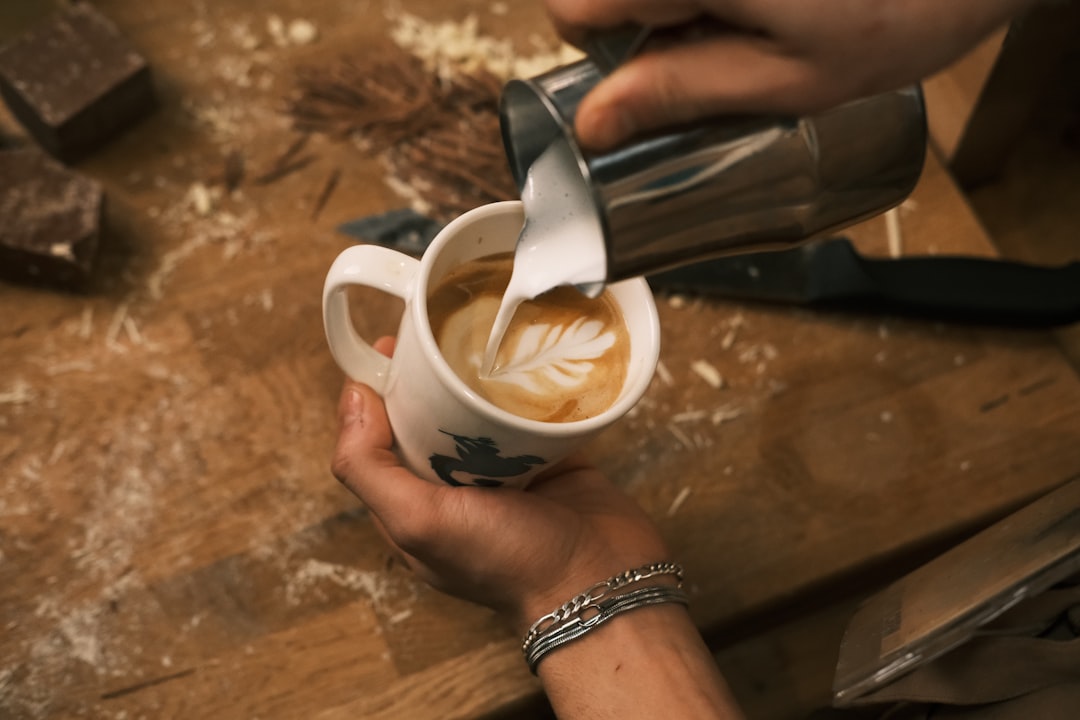
Latte art is no longer just a visual bonus—it has become a defining skill for modern baristas and coffee enthusiasts. Whether someone dreams of working behind a café bar or simply wants to elevate homemade coffee, enrolling in a coffee art course is often the turning point. But beginners frequently ask the same question: Where do I start, and how do I learn latte art step by step without feeling overwhelmed?
This guide explains a clear, beginner-friendly learning path for a coffee art course, inspired by structured hands-on training programs such as those offered by professional barista academies. It breaks down the process from the basics to confident pouring, helping beginners understand what to expect, what skills matter most, and how progress actually happens.
What Is a Coffee Art Course?
A coffee art course is a structured training program focused on teaching the techniques required to create designs on espresso-based drinks using steamed milk. Unlike casual tutorials, a proper course emphasizes foundation skills first, followed by controlled pouring techniques and design consistency.
Most beginner coffee art courses combine:
Espresso fundamentals
Milk steaming and texturing
Pouring control and hand positioning
Classic latte art patterns
The goal is not perfection on day one, but repeatable progress and confidence.
Why Beginners Should Learn Coffee Art the Right Way
Many beginners attempt latte art by watching videos or experimenting at home. While enthusiasm helps, inconsistent results often lead to frustration. A structured coffee art course eliminates guesswork by teaching the why behind each movement.
Learning the right way helps beginners:
Avoid bad habits early
Understand milk behavior and texture
Build muscle memory correctly
Improve faster with guided feedback
A step-by-step approach saves time and builds confidence.
Step 1: Understanding Espresso as the Canvas
Before milk ever touches the cup, beginners must understand espresso. Latte art depends heavily on proper espresso extraction, which creates a stable crema—the surface that supports milk patterns.
In a beginner coffee art course, students learn:
How espresso grind size affects crema
Proper shot timing and consistency
Why fresh espresso matters for latte art
Without a balanced espresso base, even well-textured milk will fail to create clean designs.
Step 2: Mastering Milk Steaming and Texture
Milk texture is the heart of latte art. Beginners often struggle here, making milk either too foamy or too thin.
A structured coffee art course teaches:
How to position the steam wand correctly
When to introduce air vs when to roll milk
How to recognize glossy, paint-like texture
Perfect milk should flow smoothly and integrate seamlessly with espresso. This step alone can take practice, but it is essential.
Step 3: Learning Proper Pouring Technique
Once espresso and milk are prepared correctly, pouring technique becomes the focus. Beginners learn that latte art is less about drawing and more about controlled movement and flow.
Key pouring fundamentals include:
Cup angle and height
Steady hand positioning
Knowing when to start and stop pouring
Most coffee art courses introduce pouring slowly, focusing on control before complexity.
Step 4: Starting with Basic Latte Art Patterns
Beginners should always start with simple designs. A proper coffee art course introduces patterns in a logical order to build confidence.
Common beginner patterns:
Heart – Teaches flow control and timing
Rosetta – Builds wrist movement and symmetry
Tulip – Improves milk placement and layering
These designs form the foundation for more advanced latte art later on.
Step 5: Building Consistency Through Repetition
One successful pour does not mean mastery. A coffee art course emphasizes repetition to build consistency.
Students practice:
Multiple pours in one session
Correcting small mistakes
Maintaining milk texture across drinks
This repetition helps translate skills from training environments to real-world café settings or home setups.
Step 6: Understanding Common Beginner Mistakes
Mistakes are part of learning. The advantage of a structured coffee art course is learning how to identify and fix issues quickly.
Common beginner challenges include:
Over-aerated milk
Pouring too fast or too slow
Incorrect cup angle
Starting designs too late
Guided feedback helps beginners correct these issues before they become habits.
Home Practice vs Professional Training
Many beginners wonder if practicing at home is enough. Home practice is valuable, but professional instruction accelerates learning.
A structured coffee art course provides:
Immediate feedback
Proper equipment exposure
Clear progression milestones
Combining professional training with home practice often delivers the best results.
Who Should Take a Coffee Art Course?
A coffee art course is suitable for:
Beginners with no prior experience
Home baristas wanting better presentation
Aspiring café professionals
Hospitality staff improving beverage quality
The step-by-step format ensures that even complete beginners can progress confidently.
Actionable Tips for Beginners Learning Coffee Art
To get the most from a coffee art course:
Focus on milk texture before designs
Practice one pattern until consistent
Use the same cup size while learning
Record progress with photos or videos
Be patient—skill improves with repetition
Consistency matters more than speed.
Frequently Asked Questions (FAQ)
Is a coffee art course suitable for beginners?
Yes. Beginner coffee art courses are designed specifically to teach foundational skills step by step, with no prior experience required.
How long does it take to learn latte art?
Most beginners can create basic patterns after guided practice, but consistency develops with continued training and repetition.
Do I need professional equipment to start?
Professional equipment helps, but many courses teach techniques adaptable to home espresso machines.
What is the easiest latte art design for beginners?
The heart pattern is usually the first design taught because it helps beginners understand milk flow and timing.
Can coffee art skills help with a barista career?
Yes. Latte art is a valuable skill in cafés and enhances drink presentation and customer experience.
Conclusion: A Clear Path to Coffee Art Confidence
Learning latte art does not have to be confusing or intimidating. A structured coffee art course for beginners provides a clear, step-by-step learning path that builds confidence from the basics upward. By mastering espresso preparation, milk texture, and controlled pouring, beginners develop skills that are both practical and creative.
For anyone passionate about coffee—whether at home or professionally—following a guided learning path makes the journey enjoyable and rewarding. Readers are encouraged to explore structured coffee art training, practice consistently, and share their learning experiences or questions in the comments to inspire others on the same path.